
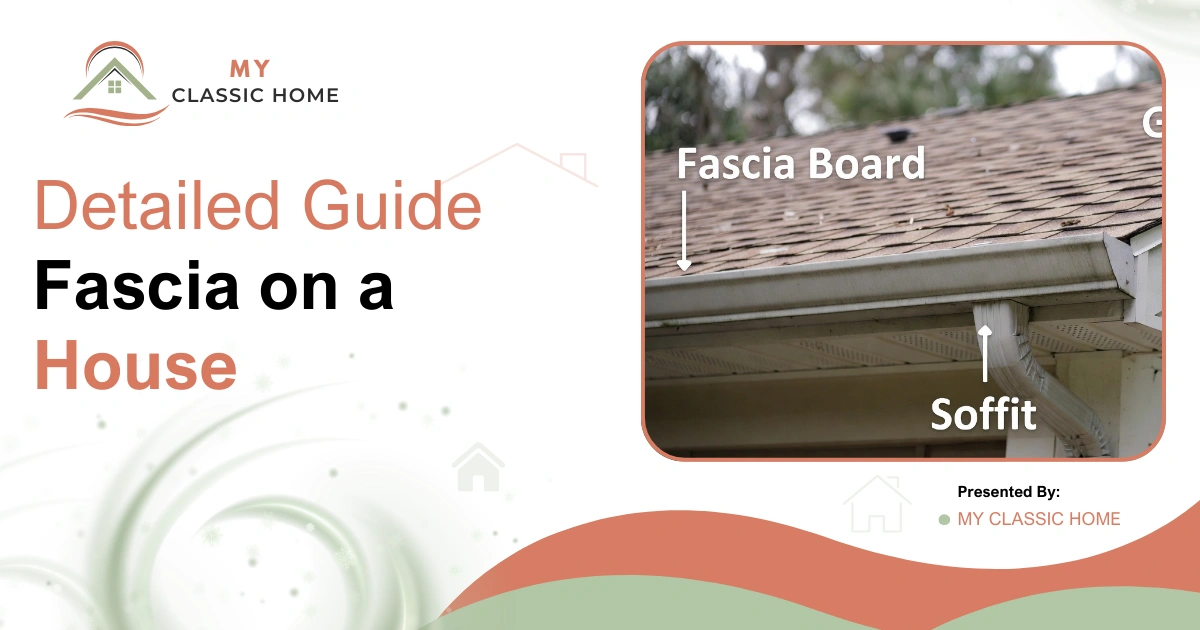
If you’re asking “what is the fascia on a house?” you’re not alone — many homeowners know it’s part of the roofline but aren’t sure exactly what it does, where it is, or why it matters. In humid or rainy climates like Texas, Florida, or Louisiana, fascia boards can suffer rot, mold, and insect damage if overlooked. The fascia is a critical component that protects your home’s roof edge, supports gutters, and seals vulnerable gaps from moisture and pests. In this comprehensive guide, we’ll define fascia, show you where the fascia is on a house, break down common materials like wood, aluminum, and PVC, compare fascia vs soffit, explain damage signs, and give you real 2026 fascia repair and replacement cost figures for the USA.
By the end, you’ll know how to inspect your fascia, whether DIY maintenance makes sense, and when to call a pro. Let’s open the roofline and get started.
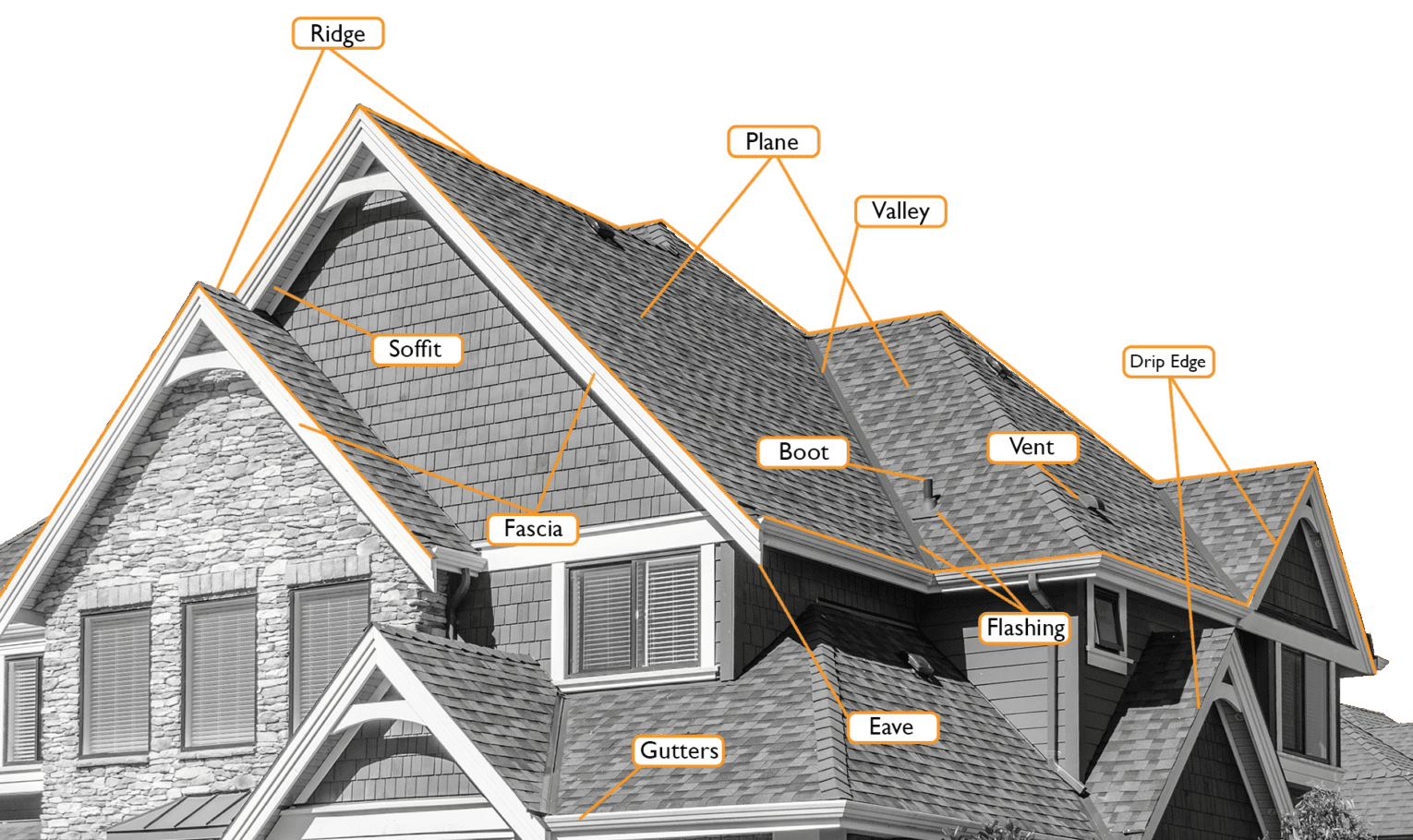 The 12 Mains Parts Of A Roof (Definitions + Diagram)
What Is the Fascia on a House?
Fascia is the horizontal board that runs along the lower edge of your roof. It sits directly behind the gutter and caps the end of the roof rafters or trusses. Think of fascia as the “trim piece” for your roof edge — but it’s not just cosmetic. It’s a protective barrier that keeps water, pests, and wind-driven debris from entering your attic and wall cavities.
In simple terms:
Fascia = Roof edge board that supports gutters and shields roof rafters.
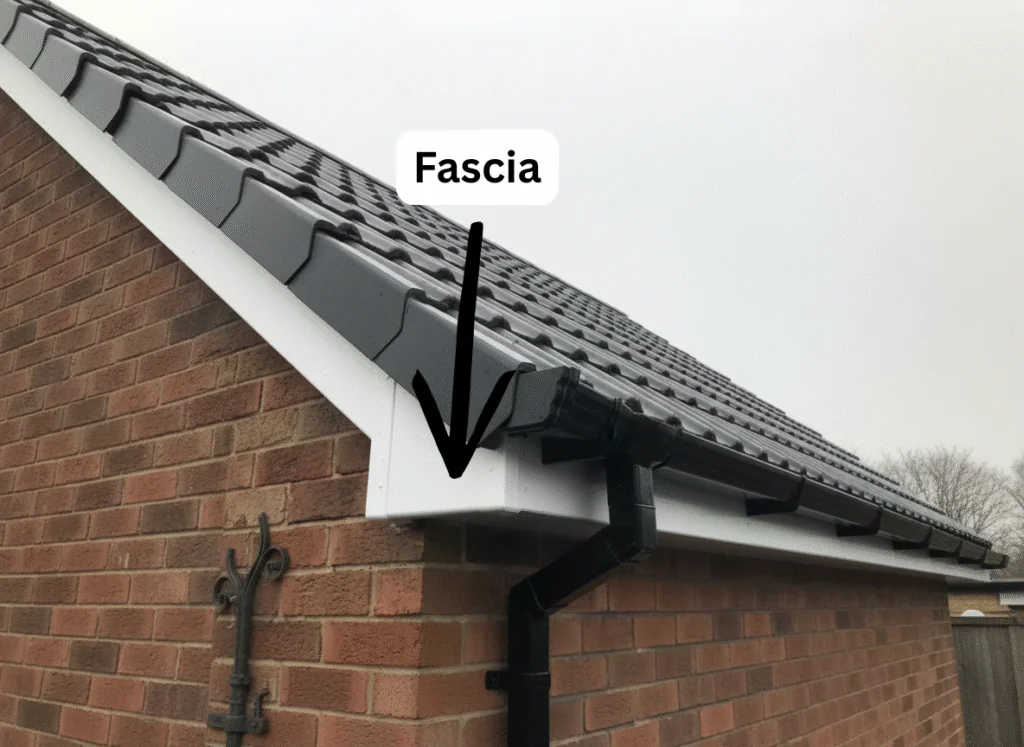 Fascia: Definition, Parts, Materials & Replacement Guide
Where Is the Fascia Located on a House?
The fascia board sits directly under your roof’s edge, right where the roof meets the gutter. It runs the full length of every roof edge — from the front (eaves) to the sides (rakes) and often around dormers.
To picture it:
- Above the gutters → fascia board
- Below the roof shingles or tiles → at the roof perimeter
- In front of soffit panels → fascia finishes the frame
Real Example: At my own home in humid Florida, the wood fascia under the old metal gutters developed soft rot within 5 years due to splash-back moisture. Once replaced with PVC fascia (more on that below), the same area stayed dry and intact through years of summer storms.
What Is a Fascia Board?
A fascia board is simply the physical board that forms the fascia — when homeowners talk about “fascia board,” they mean the piece of wood, aluminum, PVC, or composite material.
Common Fascia Board Sizes:
- 1×6 or 1×8 wood boards – common on older homes
- 5/4 x 6” aluminum – matches many modern gutters
- 6” PVC trim boards – for wider eaves
Note: In high-moisture regions, wider fascia boards can collect more water if gutters back up — choose materials wisely.
Fascia Board Materials Comparison
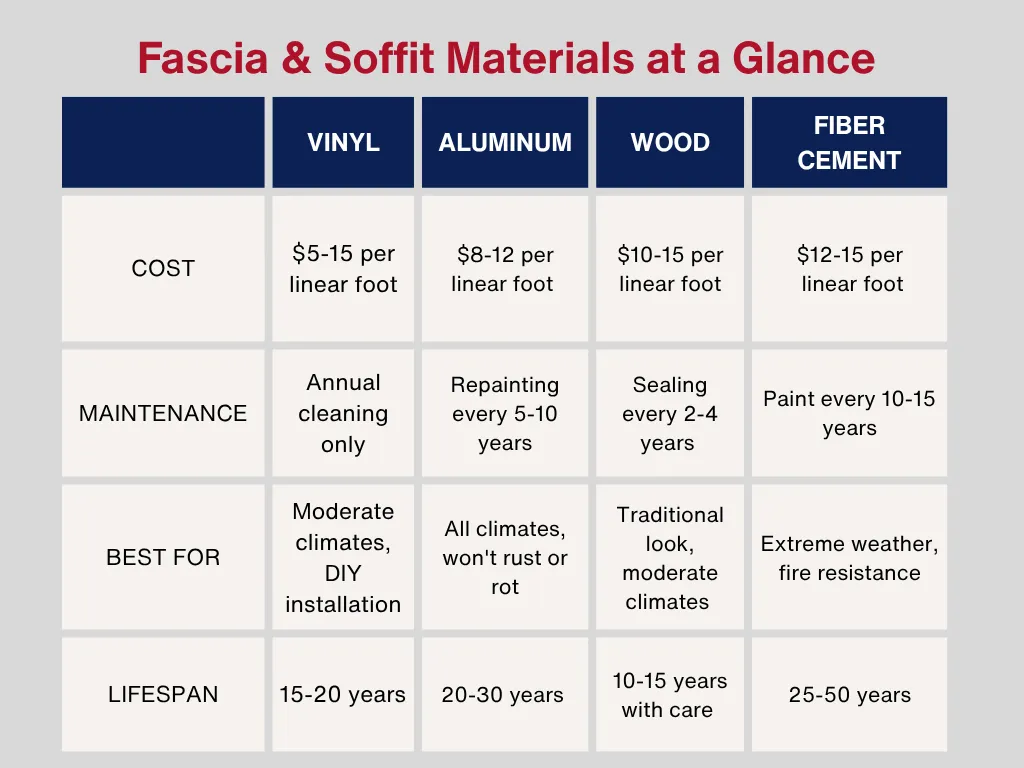
Fascia vs Soffit: Complete Guide for Homeowners
| Material | Pros | Cons | Average Cost/LF (2026 USA) | Lifespan |
| Wood (Pine/Cedar) | Traditional look, easy to paint | Rot-prone, needs maintenance | $5–$12 | 8–15 yrs |
| Aluminum | Rust-proof, low maintenance | Can dent, thermal expansion | $8–$20 | 15–30 yrs |
| PVC (Vinyl) | Waterproof, rot/mold resistant | Can warp in extreme heat | $8–$15 | 20–35 yrs |
| Composite | Strong, insect/moisture resistance | Higher initial cost | $10–$20 | 25–40 yrs |
Notes for Humid Climates:
- PVC and composite are often best for places like Florida and Texas—they resist moisture and don’t absorb water like wood. The EPA notes moisture intrusion as a leading cause of wood decay.
- Aluminum pairs well with aluminum gutters to avoid galvanic corrosion.
Internal Link: [Best Gutter Materials for Rainy Climates]
What Does Fascia Do?
Fascia might look like trim, but it’s doing serious work:
- Supports Gutters — Anchors brackets and keeps gutters straight.
- Protects Roof Rafters — Seals exposed tails from moisture and pests.
- Improves Curb Appeal — Gives a clean, finished roofline.
- Blocks Moisture & Pests — Reduces entry for birds, squirrels, insects.
- Ventilation Interface — Helps finish soffit vents for attic airflow.
Fascia vs Soffit: Key Differences
| Feature | Fascia | Soffit |
| Location | Vertical edge of roof | Horizontal underside of eaves |
| Function | Supports gutters, protects edges | Covers underside, ventilates attic |
| Typical Material | Wood, aluminum, PVC | Aluminum or vented panels |
| Visible From Ground | Yes | Yes |
In short: Fascia wraps the roof edge; soffit covers the overhang beneath.
Internal Link: [Roof Ventilation & Soffit Explained]
Common Fascia Problems & Signs of Damage
In humid environments, watch for:
- Soft, spongy wood (rot)
- Peeling paint or blistering
- Sagging gutters
- Staining below roofline
- Insect damage
- Cracked/warped PVC or aluminum
Many issues start from clogged gutters causing overflow and moisture absorption.
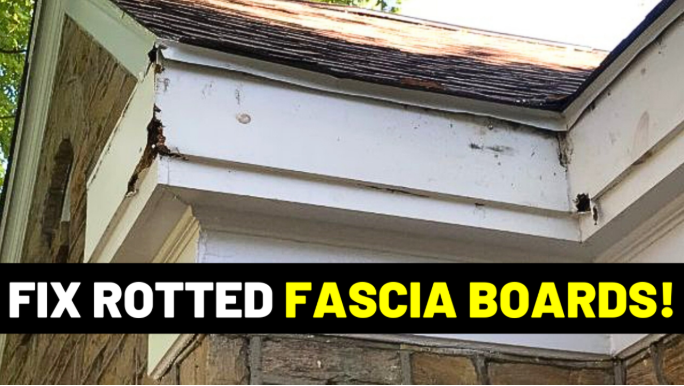
MY FASCIA BOARDS ARE ROTTED! WHAT DO I DO?
How to Inspect & Maintain Fascia
Inspection Steps (DIY):
- Look from ground/gutters after rain.
- Probe soft spots with a screwdriver.
- Check for paint cracking/bubbles.
- Inspect gutter attachments.
- View under overhang if accessible.
Maintenance Tips:
- Clean gutters every 3 months.
- Repaint wood fascia every 3–5 years (per This Old House).
- Trim overhanging branches.
- Reseal joints with soffit.
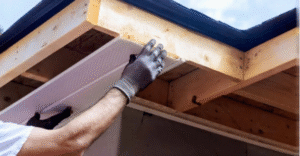
Fascia Board Rot: Complete Inspection And Replacement Guide 2025 | FoxHaven Roofing
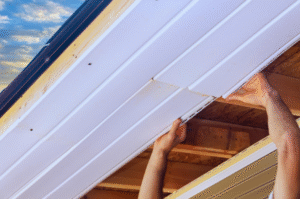
Step By Step Fascia Board Repair Guide (2025)
Fascia Repair vs Replacement: Costs in 2026 (USA Averages)
Fascia Repair (minor/localized issues):
- When: Small rot, cracks, loose fasteners.
- Costs: $300–$1,000 per section (5–10 ft); paint touch-up $100–$300.
Fascia Replacement:
- When: Widespread rot, pulling away, or upgrading material.
- Costs: $8–$22 per linear foot installed (average ~$14–$15/LF); full tear-off + install $12–$25/LF; premium composite $15–$25/LF.
Regional Notes:
- Florida/Louisiana: 15–25% higher (hurricane standards).
- California: Slightly higher materials due to shipping.
Internal Link: [Home Exterior Renovation Cost Guide]
DIY vs Professional – Pros/Cons
| Approach | Pros | Cons |
| DIY | Lower cost, hands-on | Heights risk, errors possible |
| Professional | Safe, warranties, quality | Higher cost |
DIY for minor/local; hire pros for full/multi-side jobs or steep roofs.
Pro Tip: Choose contractors with paint/sealant warranties in humid zones.
FAQ Section
Q1: What is the fascia on a house?
A: The horizontal board finishing the roof edge and supporting gutters.
Q2: Where is the fascia located?
A: Directly under the roof edge, behind gutters and above soffits.
Q3: How long does fascia last?
A: Wood 8–15 years; aluminum 15–30; PVC/composite 20–40 (weather-dependent).
Q4: Can damaged fascia cause leaks?
A: Yes—rot/gaps let water into attic/walls.
Q5: How much does fascia replacement cost in 2026?
A: $8–$22 per linear foot installed (USA average; varies by material/region).
Q6: Is fascia the same as soffit?
A: No—fascia is vertical edge trim; soffit is horizontal underside.
Q7: What causes fascia to rot?
A: Clogged gutters, leaks, poor drainage.
Q8: Can I replace fascia myself?
A: Yes for small sections; pros safer for full jobs.
Q9: Best material for humid climates?
A: PVC or composite—resists moisture better than wood.
Q10: How often paint fascia?
A: Every 3–5 years for wood.
Conclusion
Now you know what the fascia on a house is, where it lives, what it does, and how to care for it. It protects from moisture, supports gutters, and keeps pests out—especially vital in humid states like Florida or Texas. Regular checks and maintenance prevent big bills.
Ready? Inspect after the next rain—if damage is more than paint, get a pro quote.